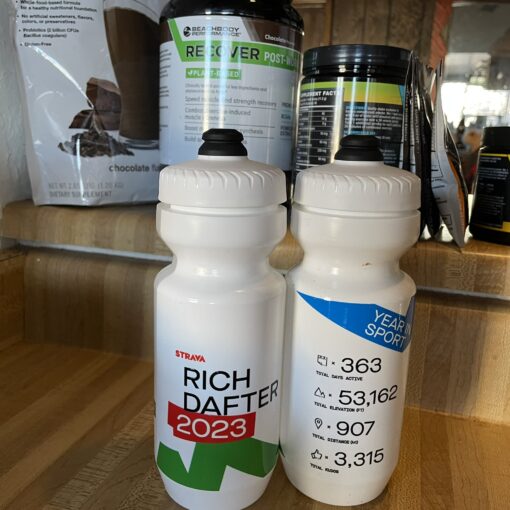
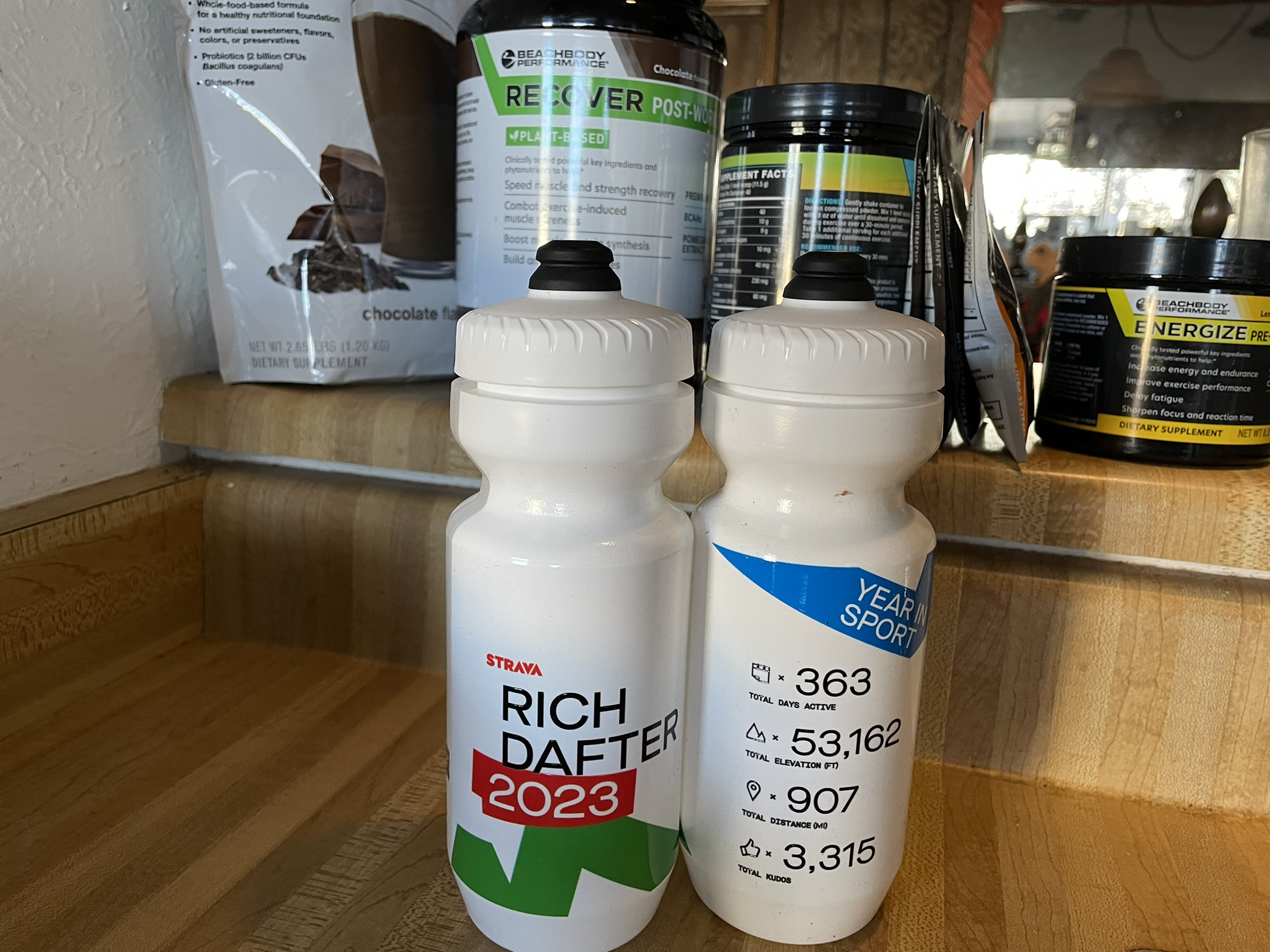
These strategies for running and longevity have worked for me for 59 years and counting. Start implementing them now for lifelong running and improved health span.

Running for the Long Game: Strategies for Lifelong Performance and Longevity
For many, running starts as a way to lose weight or hit a specific PR. But as the miles add up and the years pass, the focus often shifts. It’s no longer just about how fast you can go today, but how long you can keep going.
Building a “longevity-first” running practice isn’t about slowing down; it’s about running smarter so your body remains resilient, functional, and efficient well into your later decades.
1. Prioritize Functional Movement
Running is a repetitive, linear motion. To stay durable, you have to move outside that single plane. Incorporating functional strength training—specifically movements that mimic real-life patterns like squatting, lunging, and hinging—stabilizes the joints and protects the spine.
-
Single-Leg Stability: Exercises like Bulgarian split squats or single-leg deadlifts are vital. They correct imbalances that running can hide, ensuring each side of your body carries its weight equally.
-
Mobility over Flexibility: Focus on dynamic range of motion in the hips and ankles. Mobile joints absorb the impact of the pavement so your lower back doesn’t have to.
2. The 80/20 Rule: Run Easy to Live Long
One of the greatest threats to longevity is chronic inflammation caused by overtraining. High-intensity running is a powerful tool, but it shouldn’t be your daily bread.
The 80/20 principle suggests that 80% of your miles should be at a low intensity (Zone 2), where you can easily carry on a conversation. This builds a massive aerobic base and strengthens mitochondrial health without the crushing mechanical stress of high-speed repeats. Save the “fire” for the remaining 20%.
3. Precision Nutrition and Anti-Inflammatory Support
What you put into your body dictates how well it repairs the “micro-trauma” of a long run. Longevity-focused runners should pivot toward a diet rich in anti-inflammatory markers:
-
Omega-3 Fatty Acids: Found in high-quality fish oils or fatty fish, these help manage joint inflammation.
-
Turmeric and Ginger: Natural compounds that support systemic recovery.
-
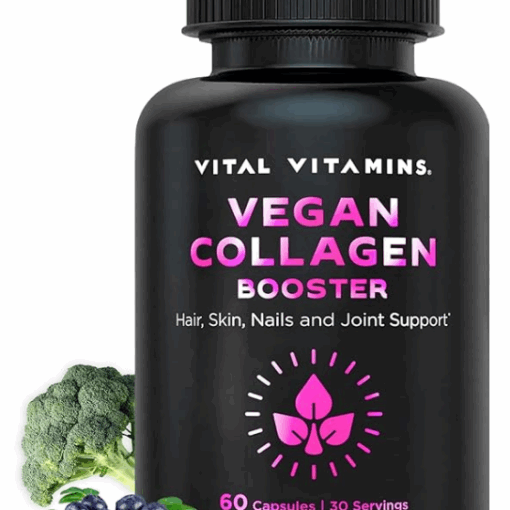
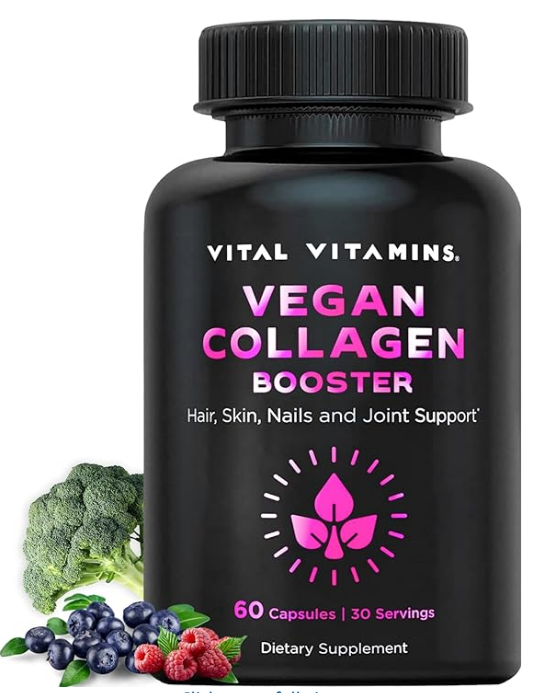
Amino Acids: Ensuring adequate protein intake is essential to fight sarcopenia (age-related muscle loss), keeping your “engine” strong enough to support your bones.
4. Respect the Recovery Cycle
In your 20s, you might bounce back from a marathon in days. As you age, the physiological repair window widens.
-
Sleep as Performance: Treat 7–9 hours of sleep as a non-negotiable part of your training plan. This is when growth hormones are released and tissues are rebuilt.
-
The “Daily Two” Strategy: On rest days, consider a low-impact “Daily Two Miles”—a brisk walk or a very light recovery jog. This maintains blood flow and habit consistency without adding to your recovery debt.
5. Track What Matters
While the clock on the wall matters, your internal metrics tell the real story of longevity. Keep an eye on:
-
Heart Rate Variability (HRV): A high HRV indicates a well-rested nervous system ready for stress.
-
Resting Heart Rate: A steady or declining RHR is a hallmark of cardiovascular efficiency.
The Bottom Line
Running for longevity is about seeing your fitness as a retirement fund. Every smart, low-intensity mile and every strength session is a deposit into a future where you are still hitting the trails at 70, 80, and beyond.